Enhance Your Space: Essential Facts Regarding Home Renovation Work for Every Homeowner
Residents commonly search for methods to enhance their residences via professional remodeling. These projects can range from kitchen upgrades to complete home renovations. Being aware of the possibilities is crucial for making sound choices. Additionally, there are tangible aspects such as setting a budget and choosing the right builder. As homeowners commence on this journey, they may find themselves facing unexpected challenges. The secret to a great renovation requires careful planning and execution. Which actions should follow?
Knowing the Various Categories of Home Remodeling Services
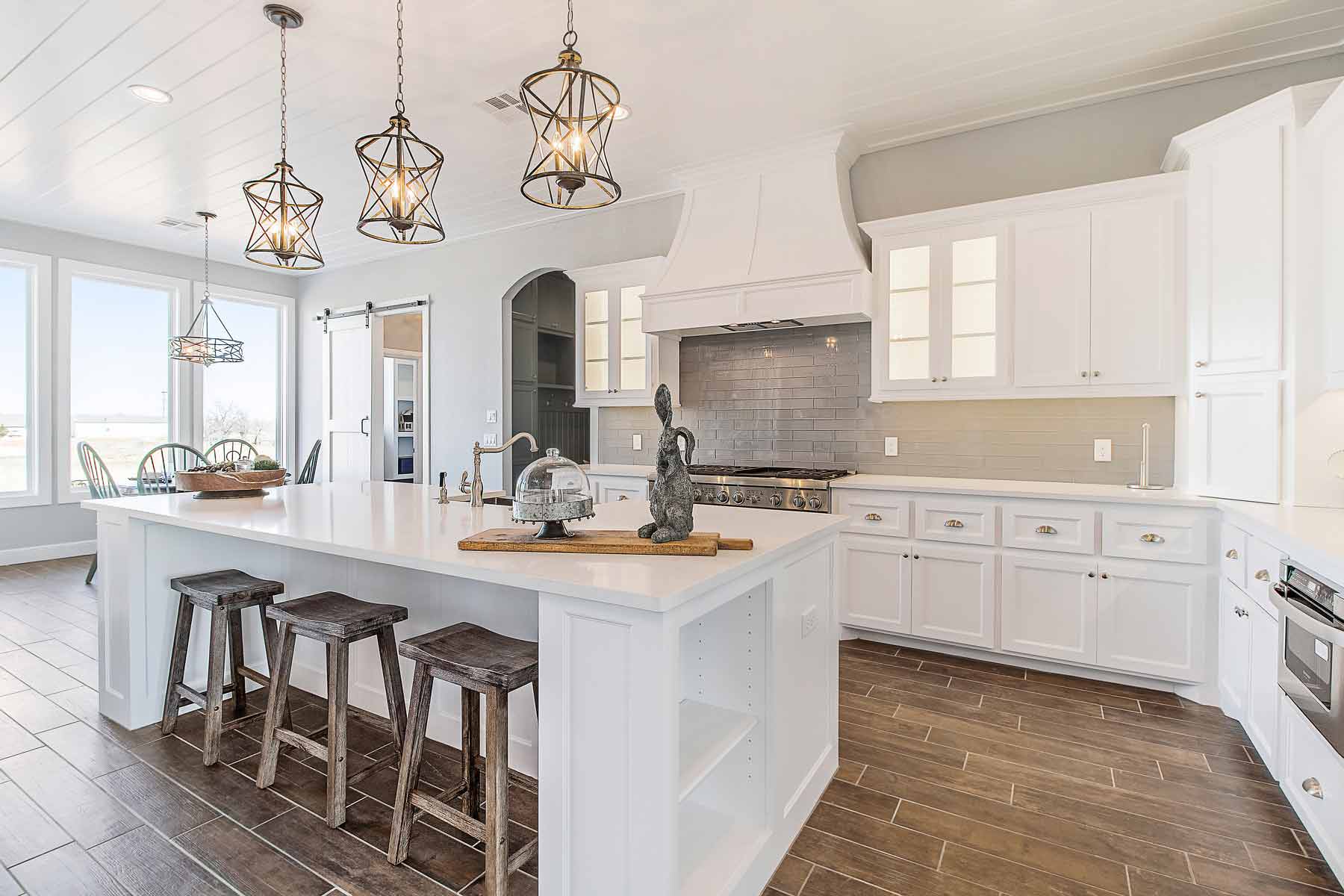
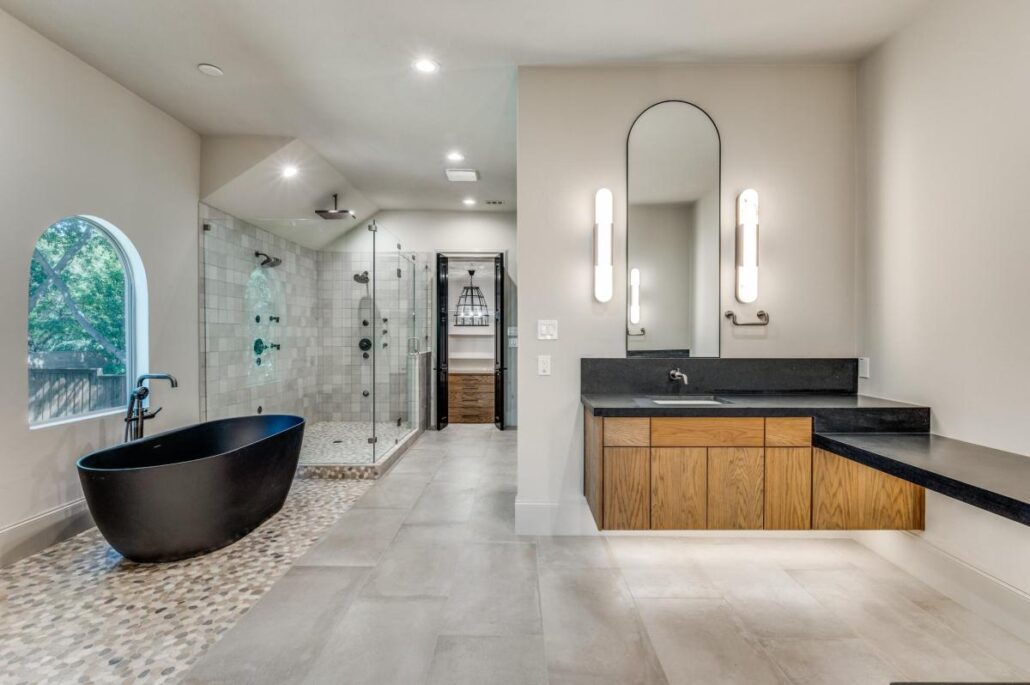
As householders look to improve their living spaces, they frequently come across a variety of remodeling services designed for specific preferences and preferences. These services can be broadly categorized into various categories, all dealing with certain elements of residential enhancement. Kitchen remodeling focuses on upgrading equipment, storage units, and layouts to enhance functionality and visual appeal. Renovating the bathroom usually includes upgrading fixtures, tiles, and storage solutions for improved comfort and design.
Full-house renovation covers extensive modifications to the entire house, sometimes requiring major structural work to make the most of the space and flow. External improvement work, conversely, aim to improve the home's outward appearance, addressing siding, the covering, and landscaping. Additionally, specialized services such as completing the basement and loft remodeling allow homeowners to maximize unused areas. Every renovation category offers unique benefits, letting residents pick services that fit their desired outcome for their residence. Grasping these differences is crucial to making informed decisions while undertaking the upgrade.
Creating an Attainable Financial Limit for Your Remodeling Project
How do property owners make certain their remodeling projects remain financially viable? Establishing a realistic budget is vital. It is advisable for homeowners to begin by determining their fiscal limits, including savings and potential financing options. This preliminary action helps establish how much can be allocated for the remodel while maintaining other fiscal obligations.
Next, homeowners must research the costs associated with their desired renovations, considering materials, labor, and unforeseen expenses that often arise. Making an exhaustive list of needs will assist in distinguishing essentials from desirable features, making it possible to adjust if funds become limited.
It is smart to incorporate a reserve fund, usually about 10-20% of the overall cost, to cover unexpected costs. Periodically examining and tweaking the budget throughout the remodeling process can further assist in keeping finances in check. Ultimately, a well-planned budget ensures the project is feasible and makes the whole updating experience better for those living in the home.
Finding the Best Contractor for Your Needs.
Selecting the right contractor can significantly affect the outcome of an updating effort. Property owners ought to start by conducting thorough research, asking for referrals from friends, family, or internet reviews. It’s vital to verify credentials, like licenses, insurance, and bonds, to establish credibility.
Once potential contractors are identified, property owners must ask for comprehensive quotes and schedules, making it possible to compare options knowledgeably. Interviews provide insight into communication styles and professionalism, that are key to a cooperative effort.
Furthermore, examining previous work via portfolios or referrals shows the builder's standard of work. It is wise to question them regarding warranties or safeguards, which shows the professional's belief in their output.
Ultimately, selecting a contractor who aligns with the homeowner’s vision, budget, and timeline fosters a more positive remodeling experience, ensuring the work fulfills requirements and transforms the living space effectively.
Structuring and Laying Out The Space You Envision.
As those renovating imagine their desired rooms, thorough preparation and well-considered layout become essential components of a successful remodeling project. The first step involves evaluating current needs and future aspirations, which permits a comprehensive grasp of the room's intended function. Homeowners should consider functionality, aesthetics, and personal style, ensuring that the design reflects their individual tastes.
Next, creating a detailed budget is vital. This budget should cover supplies, labor, and contingency funds. Consulting with design experts can offer helpful perspectives, helping to optimize the space and respecting budgetary constraints.
Integrating components like ample daylight, open layouts, and sustainable materials can enhance the overall experience. Lastly, seeing the project via sketches or digital renderings can help perfect concepts before implementation. By thoughtfully tackling the design and planning stage, homeowners can build a comfortable, effective space tailored to their lifestyle.
Dealing with Permits and Building Codes in House Renovation
Grasping the intricacies of permits and rules can be daunting for homeowners beginning a home improvement project. Every local government sets particular guidelines that dictate what is permissible during renovations, often influenced by area restrictions, construction standards, and safety standards. Owners need to acquaint themselves with local regulations see the facts so they don't incur hefty fees or project delays.
Generally, securing permits is essential for major changes, such as structural changes or electrical work. This process usually necessitates providing designs for examination and might demand site visits at multiple points.
Engaging a knowledgeable contractor can simplify this process, as they are typically experts in municipal rules and can aid in filing necessary forms. It is important for homeowners to communicate regularly with the municipal planning office to verify legality throughout the project. By understanding and maneuvering through these requirements, homeowners can achieve their remodeling goals while guaranteeing that the work is safe and legal in their renovations.
Common Queries
What is the Duration of a Standard Home Renovation?
A standard home renovation generally requires three to six months on average, depending on the scope of work, scale of the house, and availability of materials. More involved renovations might need extra time for completion.
What are common mistakes to avoid during remodeling?
Common mistakes when renovating a home are things like failing to budget properly, neglecting permits, missing scheduled deadlines, not maintaining clear communication with contractors, and failing to think about long-term functionality. Understanding these dangers often results in a less stressful, more successful renovation project.
What's the best way to select the best supplies for my project?
Choosing the right materials involves evaluating durability, the look and feel, and cost constraints. Investigating available choices, talking to specialists, and thinking about upkeep can greatly aid in reaching educated conclusions, to guarantee the project fits your needs and preferences.
Will I be able to reside in my property while the remodeling is happening?
It is possible to remain on the premises while work is ongoing, but it may lead to inconvenience. Careful planning, effective coordination with the renovation team, and designating specific areas where you can live normally will reduce the inconvenience during the process.
What kind of coverage should be provided by my builders?
You should anticipate receiving warranties that guarantee the quality of the work, the products installed, and key building elements, which usually last between one to ten years. It is essential to examine the exact provisions alongside your builders to know the full extent of the guarantee and its restrictions.
Comments on “Value-Driven Sustainable Practices for Your Property”